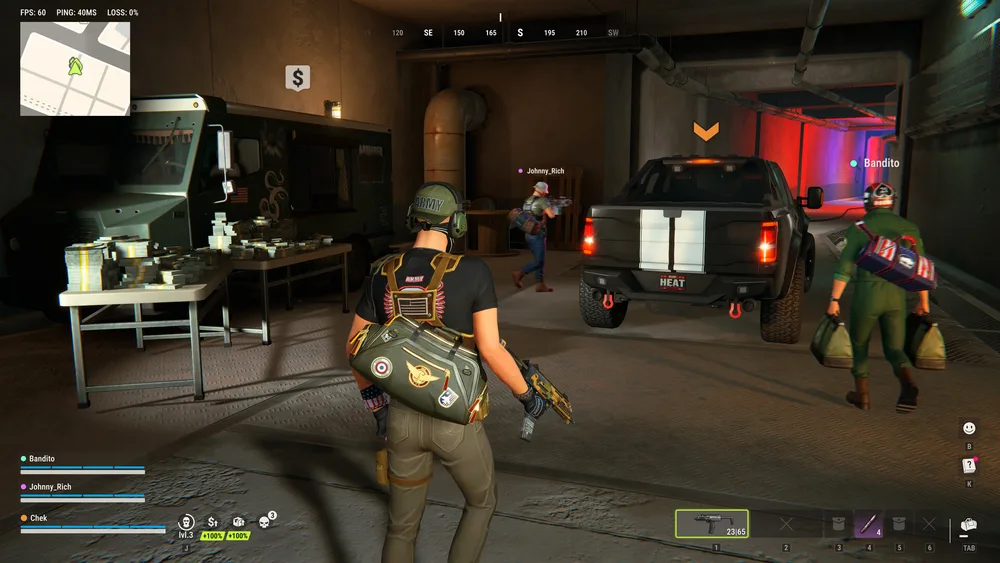
ROB RUN base raiding connects tools, building security and live player decisions. A plan that stops at “open the door” leaves out the most important question: what useful result can you finish before the defender changes the situation?
The Decoder guide covers the item itself. This page covers the larger sequence and shows defenders how to think through the same attack from the other side. It does not promise an offline raid window, a guaranteed loot payout or a universal tool count.
Define the objective before choosing tools
Choose what you want to accomplish and what would make you stop. Temporary entry into a building is different from gaining access to every storage object or controlling the plot. A plan based on an unverified ownership assumption can consume resources without ever reaching the result you intended.
Inspect the route and target system before committing valuables to the attempt. If the only information you have is a screenshot from a different base, treat it as an example rather than a complete bill of materials for yours. Work with the defense and interaction actually shown.
Understand the Security System and fuse relationship
A Decoder is used on the rival Security System. The official defense article says installed fuses increase the time and resources an attacker must spend hacking. That makes the system’s current condition relevant to both the preparation and the point at which you abandon an attempt.
Do not convert this into a precise tool-count calculator without verified values for the actual items and defense. It is more useful to know what the interaction requires than to repeat a number drawn from a different setup.
| Element | Attacker’s question | Defender’s question |
|---|---|---|
| Decoder | Does the tool match the intended interaction? | How quickly can you recognize a breach attempt? |
| Fuses | What does this system require to overcome? | Have you prepared the system that guards important value? |
| Defense modules | Could allies be alerted? | Who will receive and respond to the alert? |
| Repair | Can the owner restore the lock? | Can you repair before attackers finish their objective? |

Run the attempt as a sequence with a retreat option
Keep the approach, system interaction and withdrawal in the same plan. A teammate providing cover needs to know which event changes the next action. A player handling the tool should communicate the actual result rather than assuming everyone can see the same interface.
These are practical coordination suggestions. The confirmed access rule is temporary, so every additional action should have a purpose. If the system is repaired or the approach is no longer manageable, reassess before spending more resources simply to continue an earlier commitment.
- Identify the specific building and Security System.
- Inspect your tool and the target’s current requirements.
- Agree on cover, the intended outcome and the retreat route.
- Complete the system interaction and verify the result.
- Use any access for the agreed objective, then withdraw or reassess.
Keep access, loot and ownership separate
An unlocked route into a building does not establish that every object inside is open, that all assets can be removed or that the land now belongs to you. Read interactions individually. Claims about a full eviction or permanent destruction require their own evidence and should not be smuggled into a basic Decoder explanation.
Similarly, do not promise that every base is vulnerable on the same schedule. The sources linked here do not establish a universal offline-protection rule or attack hour. Plan around what the game actually permits rather than trying to infer a timetable from a single video.
Prepare a response before the first alert
Defenders can install fuses and use defense modules that alert allies. The owner can repair a compromised Security System to restore the lock. Those capabilities are most useful when someone understands what an alert means and what action they are responsible for taking.
Review which building contains the value you are trying to protect. Do not add storage and production indefinitely while leaving security as a vague future purchase. The base-building guide helps connect facilities, goods access and the use you actually make of a plot.
- Check the Security System associated with important stored value.
- Use the available fuse and alert systems for their documented purposes.
- Make sure allies know who is expected to respond.
- Treat repair as an active response, not a promise that every attack is reversed.
Understand which risks a raid does not explain
Base attacks, carried-cash theft, character death and a Federal Raid are different loss mechanisms. A missing bank balance at a scheduled wipe is not evidence that an attacker bypassed laundering. Likewise, a stored weapon and protected funds do not share every rule.
Read money protection and the wipe guide when deciding where value belongs. Separating the mechanisms lets you make a specific improvement: a different security response, a different cash routine or a better understanding of reset retention.
Raiding & Defense FAQ
01Can a defender restore a breached lock?
Yes. Kefir says the building owner can repair the Security System and lock attackers out. A successful entry is therefore a temporary opportunity.
02Do fuses stop every raid?
The official description says they increase the time and resources needed to hack. It does not promise that a fuse makes a building impossible to enter.
03Is an opened building now my property?
No. The Decoder mechanic describes temporary access. Ownership and eviction are separate outcomes requiring their own rules and evidence.
04Is every missing item evidence of a raid?
No. Check whether death, a wipe, a different Steam account or a transaction explains the loss. Use the official support route for an unexplained account incident.
Sources & useful references
Game rules below are linked to their official references. Tactical suggestions in this guide are practical advice, and do not promise a particular payout or outcome.